✅ Key Takeaways
- Chia seeds for digestion are rich in fiber and support gut health naturally
- They help improve bowel regularity when taken with enough water
- Best consumed soaked (not dry) to avoid discomfort
- May help with constipation, but not an instant solution
- Consistency and hydration are key for long-term results
Introduction
Digestive problems like bloating, constipation, and irregular bowel movements are more common than ever. Including chia seeds for digestion in your daily routine can help improve stool consistency and gut health. According to the National Institutes of Health (NIH), 42 million people in the United States suffer from constipation.
One major reason is simple: low fiber intake.
According to Harvard Health Publishing, a low-fiber diet is one of the leading causes of poor digestion and constipation.
Modern diets are heavily focused on processed foods, refined carbs, and low-fiber meals. Over time, this slows digestion, disrupts gut bacteria, and leads to poor bowel movement.
This is where chia seeds for digestion have gained massive attention.
These tiny seeds may look simple, but nutritionally they are incredibly powerful. Just 2 tablespoons provide around 9–10 grams of fiber — nearly one-third of your daily requirement.
Recently, chia seed water—popularly known as the “internal shower drink”—has gone viral, with claims that it can cleanse the gut and relieve constipation quickly.
But is this actually true… or just hype?
👉 In this guide, you’ll learn:
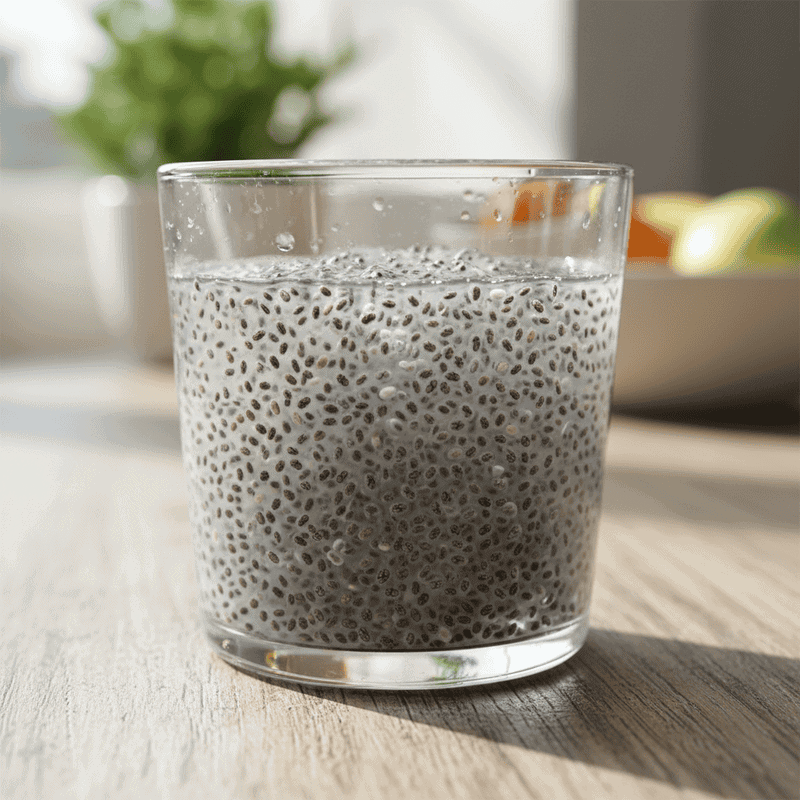
- The real science behind chia seeds and digestion
- Whether they help or worsen constipation
- The correct way to use them
- Side effects and expert-backed insights
📊 Why Fiber Intake Matters for Digestion
One of the biggest reasons digestive problems are increasing today is insufficient fiber intake.
Most adults need 25–38 grams of fiber per day, but many people consume far less than this amount.
Low fiber intake can lead to:
- Slower digestion
- Hard, dry stools
- Increased constipation
- Poor gut bacteria balance
- Reduced gut motility
👉 Without enough fiber, your digestive system cannot function efficiently.
Adding fiber-rich foods like chia seeds can help improve stool consistency, promote regular bowel movements, and support beneficial gut bacteria (learn more in our guide on how to eat chia seeds for weight loss).
- Improve stool consistency
- Promote regular bowel movements
- Support beneficial gut bacteria
- Reduce digestive discomfort over time
Fiber also supports:
- Heart health
- Blood sugar control
- Immune function
| Fiber Intake Level | Effect on Digestion |
|---|---|
| Low Fiber Intake | Slower digestion, hard stools, constipation |
| Moderate Fiber Intake | Improved stool consistency, better regularity |
| High Fiber Intake | Regular bowel movement, healthy gut, less discomfort |
👉 This is why even small daily additions like chia seeds can create noticeable improvements over time.
🚀 Chia Seed Water “Internal Shower” Trend

The “internal shower drink” is made by mixing chia seed water with water (sometimes lemon is added).
It’s widely promoted as a gut-cleansing drink.
But let’s be clear:
👉 Your body already detoxifies itself through the liver and kidneys.
Chia seeds do NOT remove toxins.
So why do people feel results?
- Chia seeds absorb water and expand
- They form a gel-like consistency
- This improves stool texture
- It helps bowel movement become smoother
👉 The benefit comes from fiber—not detoxification.
This gel-like effect helps lubricate the digestive tract, making bowel movements easier and more comfortable.
Lemon juice may add flavor and vitamin C, but it does not significantly impact digestion compared to fiber.
⚠️ What Experts Say About the Trend
Nutrition experts and dietitians explain:
- Chia seeds support digestion due to fiber
- They do not “flush toxins”
- Results depend on hydration and overall diet
Many people feel quick relief because:
👉 They were previously fiber deficient
👉 The trend works by fixing a fiber gap — not detoxifying your body.
❓ Do Chia Seeds Help Digestion?
Yes — chia seeds can support digestion when used correctly.
They help:
- Add bulk to stool
- Soften stool
- Improve bowel frequency
- Support gut bacteria
- Reduce mild constipation
However, it’s important to understand what they won’t do:
❌ Won’t cure chronic digestive diseases
❌ Won’t replace medical treatment
❌ Won’t work without enough water
❌ Won’t help if your overall diet is poor
👉 Think of chia seeds as daily digestive support — not a quick fix.
🧠 How Chia Seeds for Digestion Work (Science Explained)
Chia seeds for digestion are one of the richest plant-based sources of fiber, making them highly effective for improving stool consistency and supporting regular bowel movements.
👉 2 tablespoons = ~9–10g fiber (30–40% of daily needs)
🔍 Why Fiber Works So Effectively
Fiber improves digestion through multiple mechanisms:
- Absorbs water and softens stool
- Adds bulk for easier movement
- Supports intestinal motion
- Feeds beneficial gut bacteria
👉 Unlike laxatives, fiber works naturally and gradually.
🔬 Soluble vs Insoluble Fiber
Soluble Fiber:
- Absorbs water
- Forms gel
- Slows digestion
- Softens stool
Insoluble Fiber:
- Adds bulk
- Speeds movement
- Prevents constipation
👉 This dual-action effect makes chia seeds highly effective.
🧪 The “Gel Effect” (Mucilage)
When soaked, chia seeds for digestion absorb 10–12x their weight in water.
This creates a gel that:
- Lubricates the digestive tract
- Makes stool easier to pass
- Reduces strain
- Improves comfort
🧬 Gut Microbiome & SCFA Connection
Chia seeds for digestion not only act as a prebiotic, feeding beneficial gut bacteria, but also help improve stool consistency and support overall gut health.
👉 Around 95% of short-chain fatty acids (SCFAs) are produced in the colon through fiber fermentation.
Butyrate:
- Is the primary fuel for colon cells
- Helps maintain gut barrier integrity
- Reduces inflammation
- Supports long-term digestive health
Additionally, chia seeds contain omega-3 fatty acids (ALA).
👉 These help reduce inflammation and provide extra digestive support.
⏱️ How Long Do Chia Seeds for Digestion Take to Work?
- 24–48 hours: Mild improvement
- 1–2 weeks: Better regularity
- Long-term: Stable digestion
👉 Fiber works gradually—not instantly.
📅 What Happens When You Take Chia Seeds Daily
First few days:
- Increased bowel movement
- Mild bloating (normal adjustment)
After 1–2 weeks:
- Improved digestion
- Better stool consistency
- Reduced constipation
Long-term:
- Better gut microbiome
- Stable digestion
- Less discomfort
👉 Consistency matters more than quantity.
🚨 Can Chia Seeds Cause Constipation or Bloating?
Yes — if used incorrectly.
❌ Common Mistakes
- Eating dry chia seeds
- Not drinking enough water
- Taking too much too quickly
⚠️ Why This Happens
👉 Chia seeds absorb water
If eaten dry:
- They absorb fluid in your gut
- Make stool harder
- Can worsen constipation
⚠️ When Chia Seeds May Not Work Well
You may face issues if:
- You increase fiber too quickly
- You have sensitive digestion
- You have IBS
Symptoms may include:
- Gas
- Bloating
- Cramping
👉 Start small and increase gradually.
🥗 Soaked vs Dry Chia Seeds (Important Difference)
✅ Soaked Chia Seeds
- Easier to digest and ideal for chia seeds for digestion routines
- Form gel before digestion
- Reduce bloating
❌ Dry Chia Seeds
- Absorb liquid inside gut
- Can cause discomfort
- May worsen constipation
✔ How to Soak Properly
- Add 1 tablespoon chia seeds to a glass of water
- Stir well to prevent clumping
- Wait 15–20 minutes
- Stir again before consuming
👉 You can store soaked chia seeds in the refrigerator for up to 5 days.
🥤 Best Ways to Use Chia Seeds for Digestion
1. Chia Seed Water
Simple, quick, and effective. Using chia seeds for digestion in water helps improve stool consistency and supports gut health, making it the most common method for daily use.
2. Chia Pudding
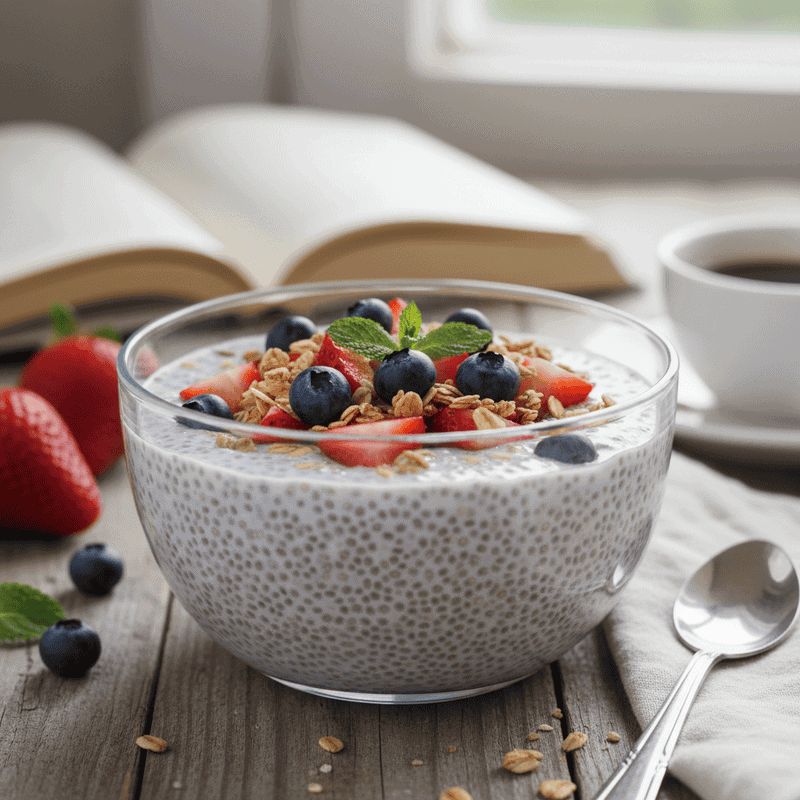
Chia pudding is another effective way to include chia seeds for digestion in your daily routine while enjoying a tasty snack.
A thicker option that can be flavored with vanilla, cocoa, or fruits. It’s more filling and can be used as a healthy breakfast or snack.
3. Add to Foods
Chia seeds can be added to smoothies, yogurt, or oatmeal. They blend easily and do not significantly change the taste, making them ideal for daily use.
⏰ Best Time to Eat Chia Seeds for Digestion
Morning:
- Stimulates bowel movement
- Best for constipation relief
Before meals:
- Supports digestion
- Improves satiety
Evening:
- Supports overnight digestion
🧠 Morning vs Night: Which Is Better?
- Morning → More effective for constipation when taking chia seeds for digestion
- Night → Helps digestion and controls hunger
👉 Best time to eat chia seeds is usually in the morning to stimulate bowel movement and support digestion.
📊 How Much Chia Seeds Per Day?
Safe daily intake of chia seeds based on experience and research.
| Level | Daily Amount | Recommendation |
|---|---|---|
| Beginner | 1 teaspoon | Start small to avoid bloating |
| Regular Use | 1 tablespoon | Safe and effective for daily digestion support |
| Maximum | 2 tablespoons | Do not exceed to avoid digestive issues |
👉 Always increase gradually to avoid bloating.
⚖️ Chia Seeds vs Flax Seeds vs Psyllium Husk
| Feature | Chia Seeds | Flax Seeds | Psyllium Husk |
|---|---|---|---|
| Ease of Use | Easy | Needs grinding | Easy |
| Fiber Content | High | High | Very High |
| Effect | Gentle | Moderate | Strong |
| Best For | Daily digestion | Nutrition | Constipation |
Chia seeds are ideal for beginners because they are easy to use and gentle on the stomach; see our guide on chia seeds vs flax seeds for a detailed comparison
Flax seeds offer similar benefits but must be ground for proper absorption and have a stronger taste.
Psyllium husk is the most concentrated fiber source and is often used for chronic constipation, but it may cause more bloating in sensitive individuals.
🧪 What Does Research Say?
Research consistently shows:
- High-fiber diets improve digestion
- Fiber reduces constipation risk
- Prebiotics support gut bacteria
📚 More Scientific Evidence
A major study published in The Lancet (Reynolds et al., 2019) analyzed multiple clinical trials over several decades.
It found that people with higher fiber intake had:
- Lower constipation rates
- Improved bowel movement frequency
- Reduced digestive disorders
👉 This strongly supports the importance of fiber-rich foods like chia seeds.
📉 Why You Might Not See Results
- Low water intake
- Poor diet
- Inconsistent use
- Expecting instant results
👉 Fiber works slowly but effectively.
⚠️ Who Should Be Careful?
- IBS sufferers
- Sensitive digestion
- Beginners to high-fiber diets
👉 Start small and monitor your response.
🧠 Pro Tips for Best Results
- Always soak chia seeds before eating
- Drink 2–3 liters of water daily
- Start small
- Stay consistent
- Combine with a balanced diet
❓ Frequently Asked Questions
Do chia seeds make you poop?
Yes, their fiber adds bulk to stool and promotes regular bowel movement. Most people notice improvement within a few days to two weeks when consumed consistently. Drinking enough water is essential for best results.
Should you soak chia seeds?
Yes, soaking improves digestion and reduces the risk of bloating. It allows the seeds to form a gel before entering your stomach, making them easier to process. Let them soak for at least 15–20 minutes before consuming.
Can chia seeds cause bloating?
Yes, especially if taken in large amounts or introduced too quickly. This happens because your body needs time to adjust to increased fiber intake. Start small and increase gradually to avoid discomfort.
Are chia seeds safe for IBS?
Some people with IBS may experience gas or discomfort with high-fiber foods. Tolerance varies from person to person. Start with small amounts and monitor your body’s response, and consult a doctor if needed.
Can chia seeds replace fiber supplements?
They can be a natural alternative for improving digestion and increasing fiber intake. However, they may not be strong enough for severe conditions. Medical advice may still be required in some cases.
Can chia seeds cause stomach pain?
Yes, especially if eaten dry or without enough water. This can lead to discomfort or worsen constipation. Always soak them and stay hydrated to prevent this issue.
What’s the best way to take chia seeds for digestion daily?
Yes, many people prefer taking chia seeds in the morning. This can help stimulate bowel movement and support digestion throughout the day. It’s often the most effective timing for constipation relief.
📚 References
- National Institutes of Health (NIH)
- USDA FoodData Central
- Harvard T.H. Chan School of Public Health
- Mayo Clinic
- Reynolds et al. (2019), The Lancet
⚠️ Medical Disclaimer
This content is for informational purposes only and is not medical advice. Always consult a qualified healthcare professional before making dietary changes.
🏁 Conclusion
Using chia seeds for digestion consistently, along with proper hydration and a fiber-rich diet, can lead to long-term gut health improvements.
They don’t act as a quick fix, but over time they can:
- Improve bowel movement
- Support gut health
- Reduce constipation
👉 The key is simple:
- Soak before eating
- Stay hydrated
- Start small
- Be consistent
Over time, small daily habits can lead to real, long-term digestive improvement. 🚀